
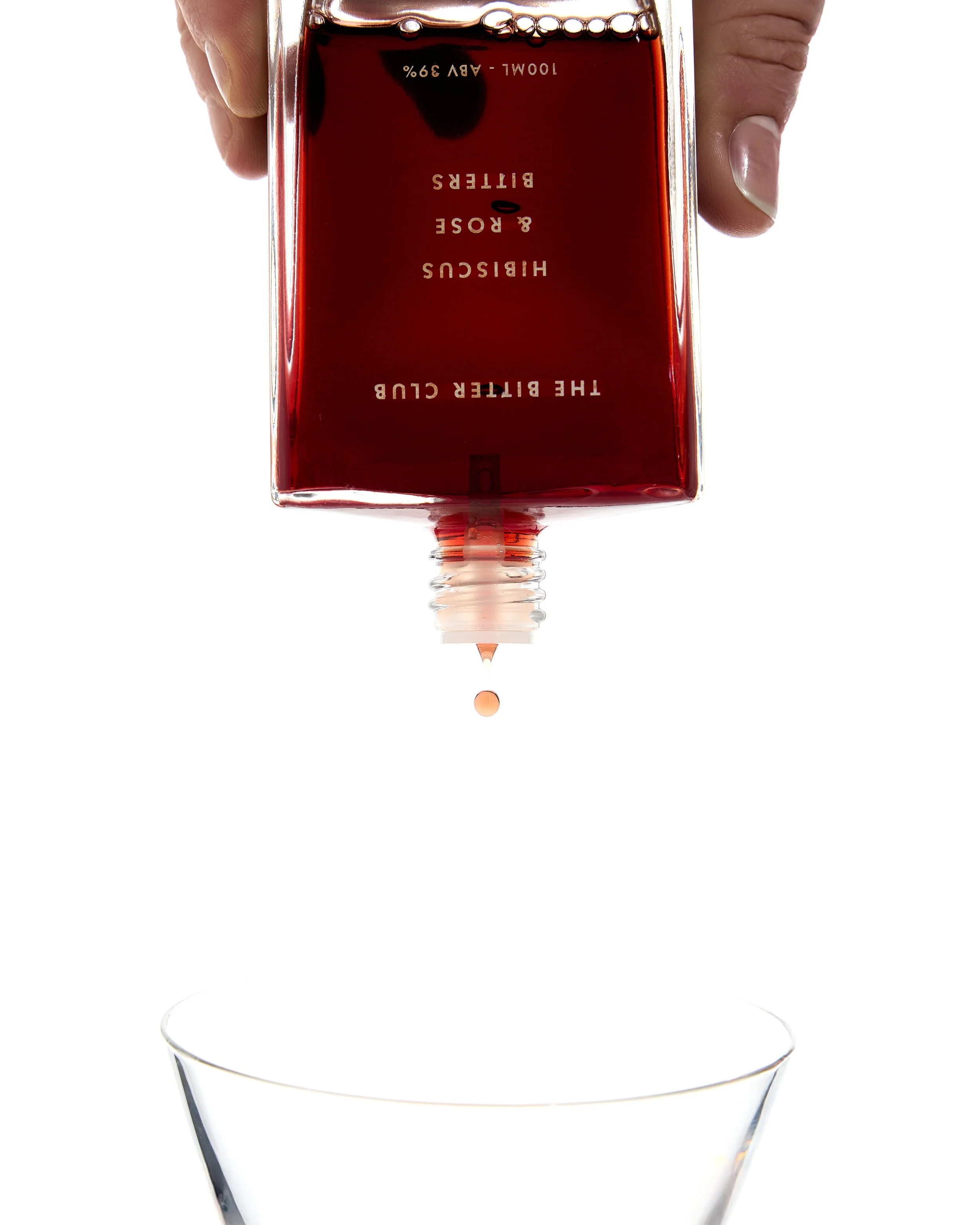
A Dashed History of Bitters
From ancient medicine to the modern bar — how a bitter botanical tincture became the most important ingredient you've never thought about.
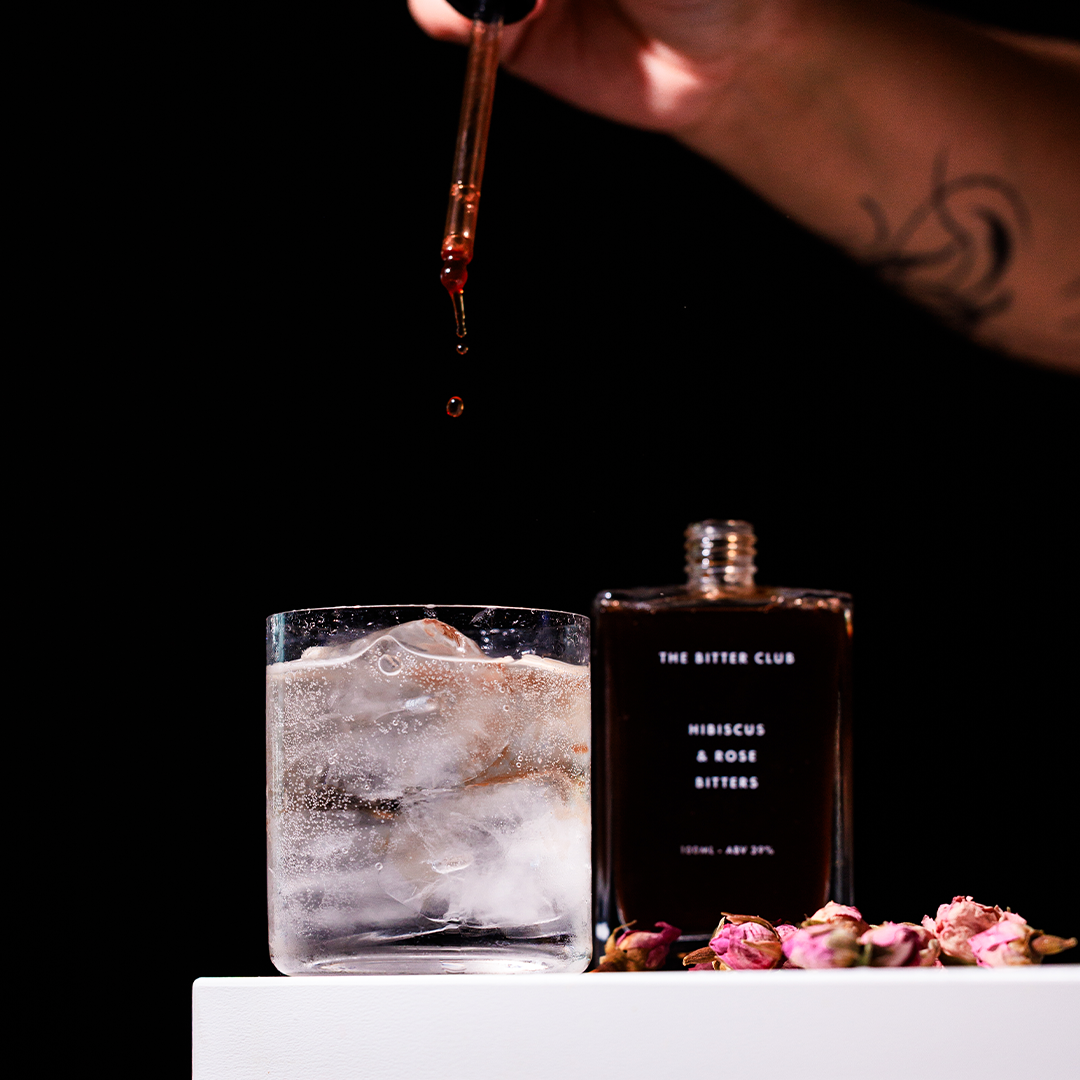
Bitters are older than cocktails. Older than bars. Older, arguably, than the idea of drinking for pleasure at all. A few dashes of concentrated botanical liquid that can transform what's in your glass — and yet most people reach for them without knowing their story.
This is that story.
What Are Bitters?
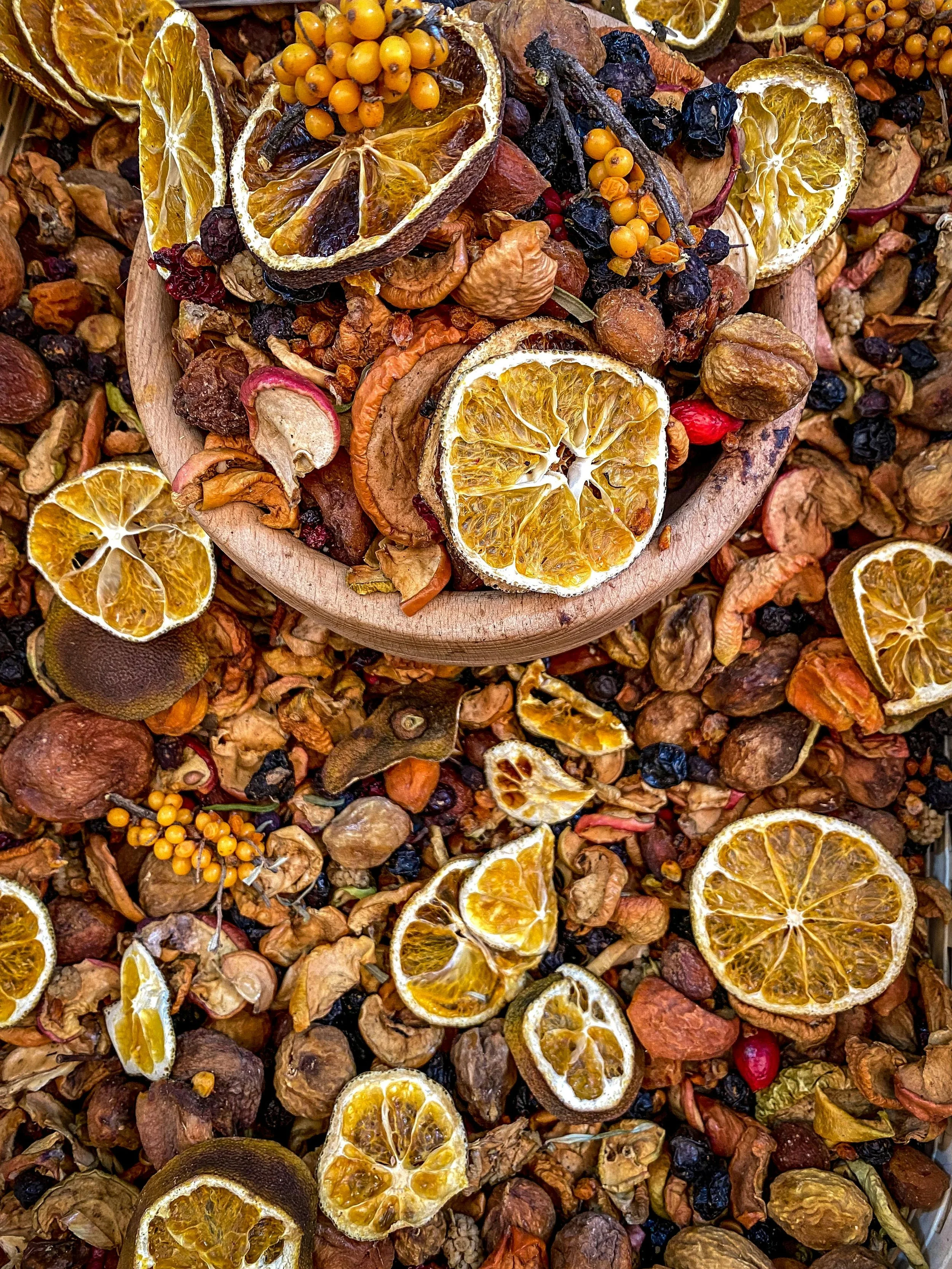
At their most basic, bitters are a concentrated tincture of botanicals — herbs, roots, bark, spices, citrus peel, flowers — steeped in alcohol to extract their flavour and properties. The result is intensely aromatic, deeply complex, and used in small quantities: a dash or two is usually enough. At The Bitter Club, we'd say two dashes is a starting point. Three is where it gets interesting.
Think of them as seasoning for your drink. You wouldn't cook without salt. Bitters are the equivalent — the thing that pulls everything into focus, adds depth, and makes a drink taste finished rather than flat.
Ancient Roots
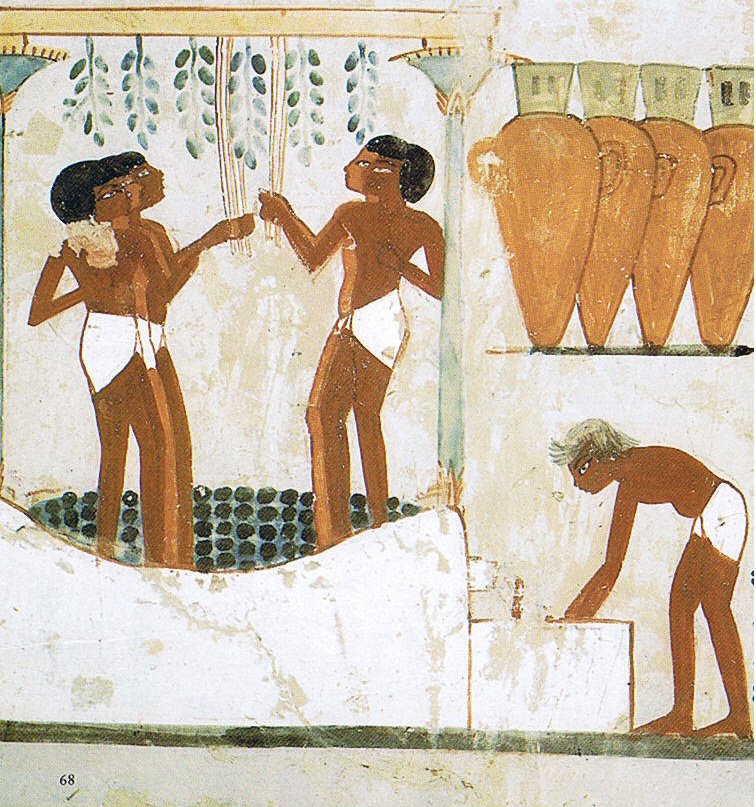
The instinct to infuse alcohol with botanicals is as old as civilisation itself. The earliest archaeological evidence we have suggests ancient Egyptians were infusing wine with herbs as far back as 3150 BCE — jars excavated from the tomb of one of Egypt's first pharaohs contained residue indicating herbal wine, and papyrus records from around 1850 BCE document medicinal recipes involving wine mixed with botanicals. Greek and Roman physicians recorded similar preparations, using bitter plants to treat digestive complaints, fevers, and infections.
These weren't drinks for pleasure. They were medicine. But the principle — botanical matter, extracted into liquid, taken in small doses — is exactly what bitters still are today.
The Medicine Era
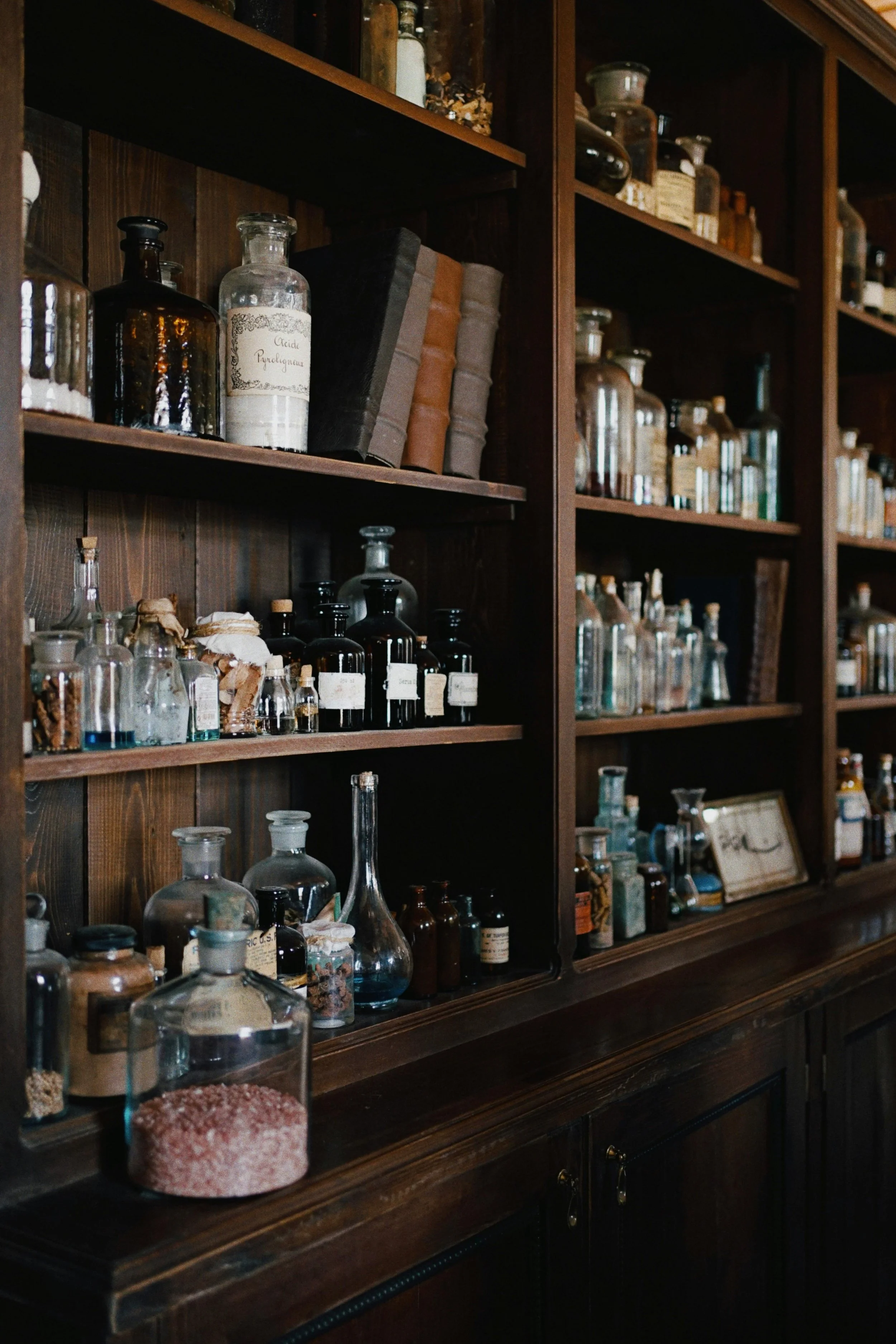
Through the Middle Ages and into the Renaissance, the tradition of botanical bitters evolved into increasingly sophisticated apothecary preparations. Monks were particularly prolific. Chartreuse traces its origin to an alchemical manuscript given to the Carthusian monks in 1605, with the definitive recipe finalised in 1737, described at the time as an Elixir of Long Life. It survives to this day.
Bénédictine tells a similar story, and it's worth pausing on. The brand's own account credits a Venetian monk at the Abbey of Fécamp with an elixir in 1510, lost during the French Revolution and rediscovered three centuries later. The truth is that a Fécamp wine merchant named Alexandre Le Grand built the liqueur in 1863, working from old monastic manuscripts with the help of a local chemist, then wrote the monks back into it because it sold better that way. He even stamped D.O.M. on the label — a Benedictine dedication — to make the story stick. It worked. It is still working.
Which tells you something about this category. The medicine was real. So was the mythology.
The monastic instinct to combine bitter herbs, spices, and roots into concentrated medicinal liquids is the direct ancestor of every bottle of bitters behind a modern bar.
By the 1800s patent medicine bitters were booming, particularly in America, where bottles of concentrated botanical tinctures promised to cure everything from stomachaches to malaria. Nobody was sipping these for pleasure. They were medicine. Bitter, concentrated, botanical medicine.
The most famous of these was Angostura Bitters, created in 1824 by Johann Gottlieb Benjamin Siegert, a German doctor serving as Surgeon-General of a military hospital in Venezuela. Originally formulated to treat the digestive complaints of soldiers and settlers fighting alongside Simón Bolívar, Angostura found its way onto British Royal Navy ships — where it was mixed with gin to make it palatable and given to sailors as a treatment for seasickness. One of history's great cocktails, Pink Gin, was born entirely by accident in a ship's medicine cabinet.
Our own Cinnamon & Orange bitters started the same way — not in a Venezuelan military hospital, admittedly, but in a home kitchen, obsessing over a single Old Fashioned until it tasted exactly right. The scale is different. The instinct is identical.

Bitters Define the Cocktail
The first recorded definition of a cocktail appeared in The Balance and Columbian Repository, a New York periodical, on 13 May 1806: "a stimulating liquor composed of spirits of any kind, sugar, water and bitters." Bitters weren't an optional extra. They were definitional. Without them, you didn't have a cocktail — you had a sling, a toddy, a punch. Bitters were what made it a cocktail. Two hundred years later, we'd argue they're still what makes it worth drinking.
This matters because it tells you something about what bitters actually do. They're not flavouring in the conventional sense. They're a structural element — the thing that balances sweetness, lifts the spirit, and gives a drink its backbone.
The Golden Age & Jerry Thomas
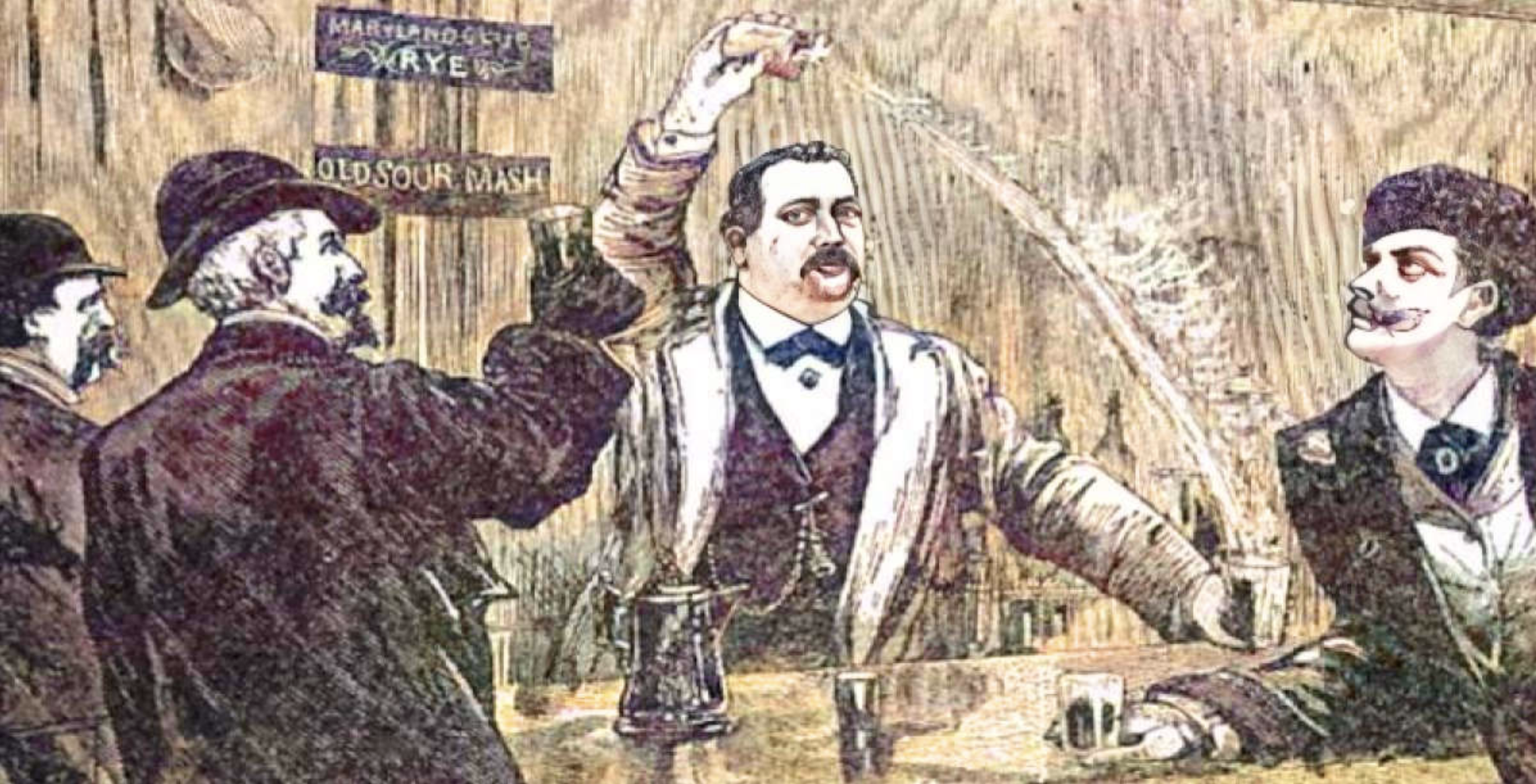
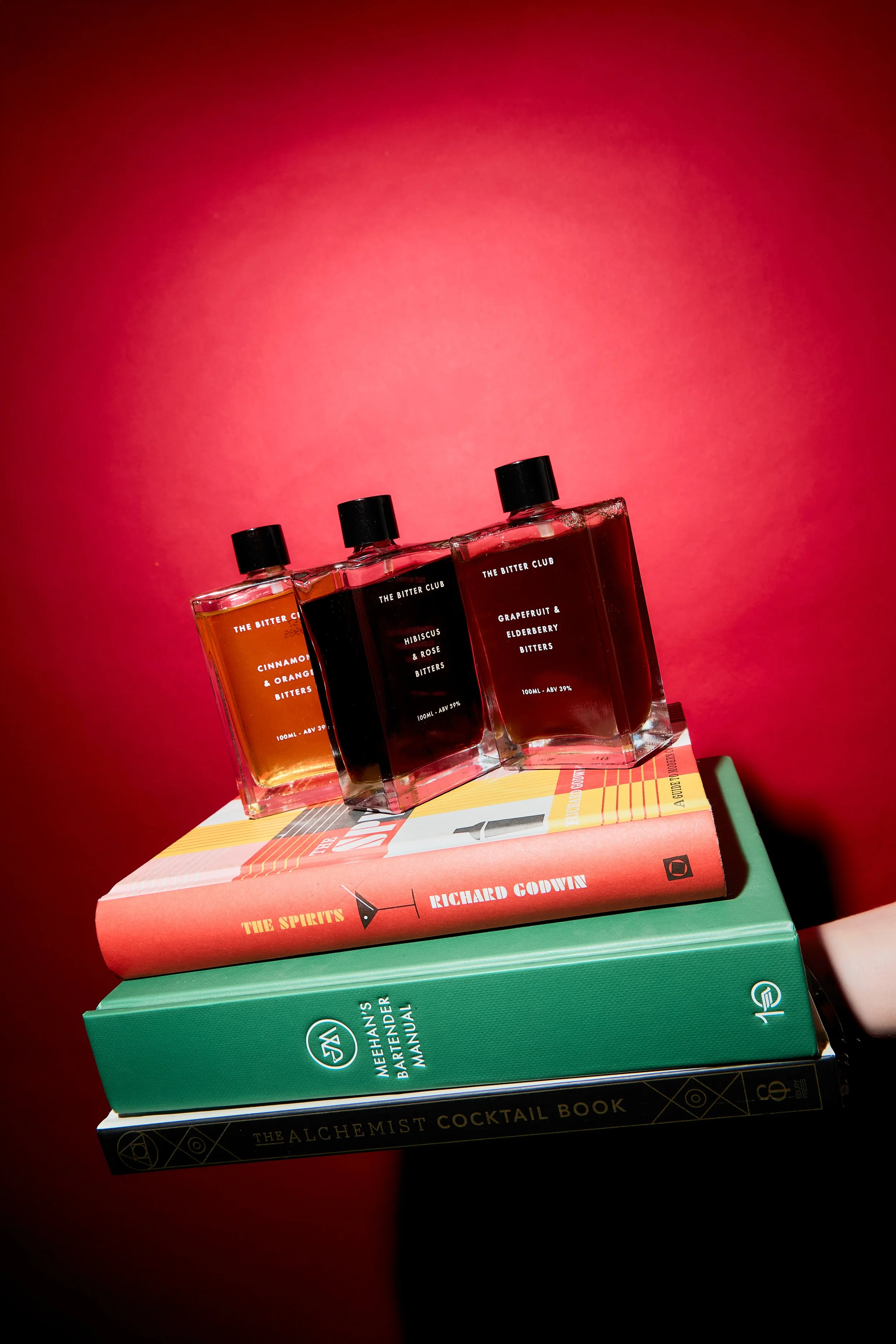
The mid-to-late 1800s were the golden age of bitters. Hundreds of brands existed — orange bitters, aromatic bitters, celery bitters, peach bitters, tonic bitters — and every serious bartender had strong opinions about which belonged in which drink. We're no different. Grapefruit & Elderberry for a spritz. Hibiscus & Rose for anything with bubbles. Cinnamon & Orange when there's whisky involved. Opinions, held firmly.
The man most responsible for codifying this was Jerry Thomas, a New York bartender and saloon owner who published the first cocktail book in American history in 1862: The Bar-Tenders' Guide. The New York Times called him the Father of American Mixology, and it's a fair title. Thomas elevated bartending to a craft and bitters to an essential ingredient. The Old Fashioned, the Manhattan, the Champagne Cocktail — all defined by their bitters.
This was the era that established the flavour logic we still use today: spirit + sweet + bitter + dilution = cocktail. Simple, balanced, endlessly riffable.
Prohibition & the First Sober Moment
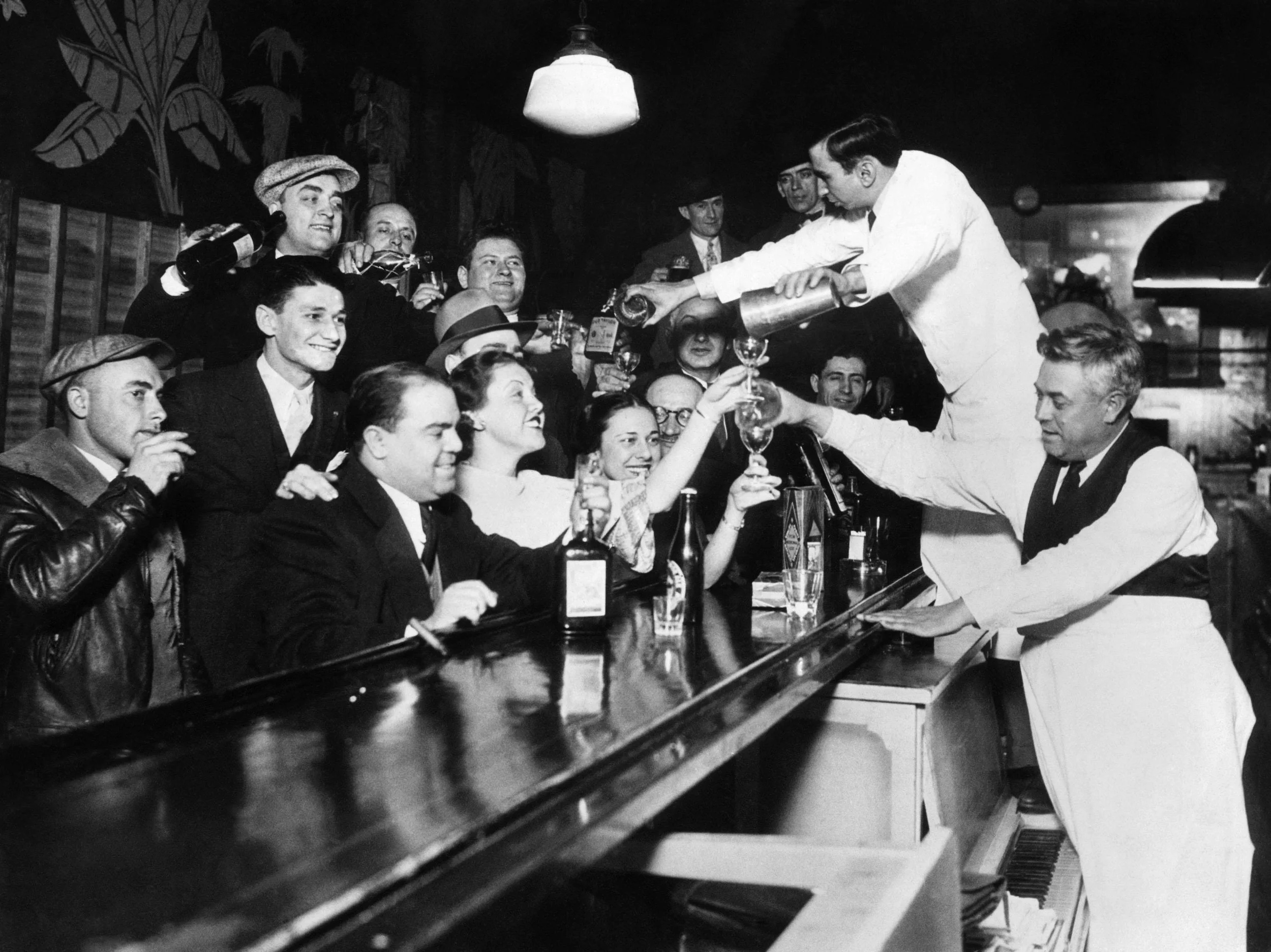
When America went dry in 1920, something interesting happened to bitters. The spirit disappeared from the glass — but the bitters often stayed.
Bartenders, unwilling to serve entirely flavourless drinks, built non-alcoholic versions of classic cocktails using non-alcoholic gin, non-alcoholic vermouth, and — crucially — real bitters. The Mock Bronx. The Saratoga Cooler. Bitters and soda water became the go-to order for anyone not drinking: bracingly aromatic, complex, and grown-up in a way that lemonade simply wasn't.
It was the original sophisticated soft drink. And it worked precisely because bitters carry so much flavour that even a small amount transforms a glass of sparkling water into something worth drinking slowly.
When Prohibition ended, most of this knowledge was quietly forgotten. But the principle had been proven.
The Dark Ages
The decades after Repeal were not kind to bitters. Cocktail culture simplified. Sweet, easy drinks dominated. The hundreds of bitters brands that had flourished in the golden age dwindled to almost nothing — by the mid-20th century, Angostura and Peychaud's were among the few widely available.
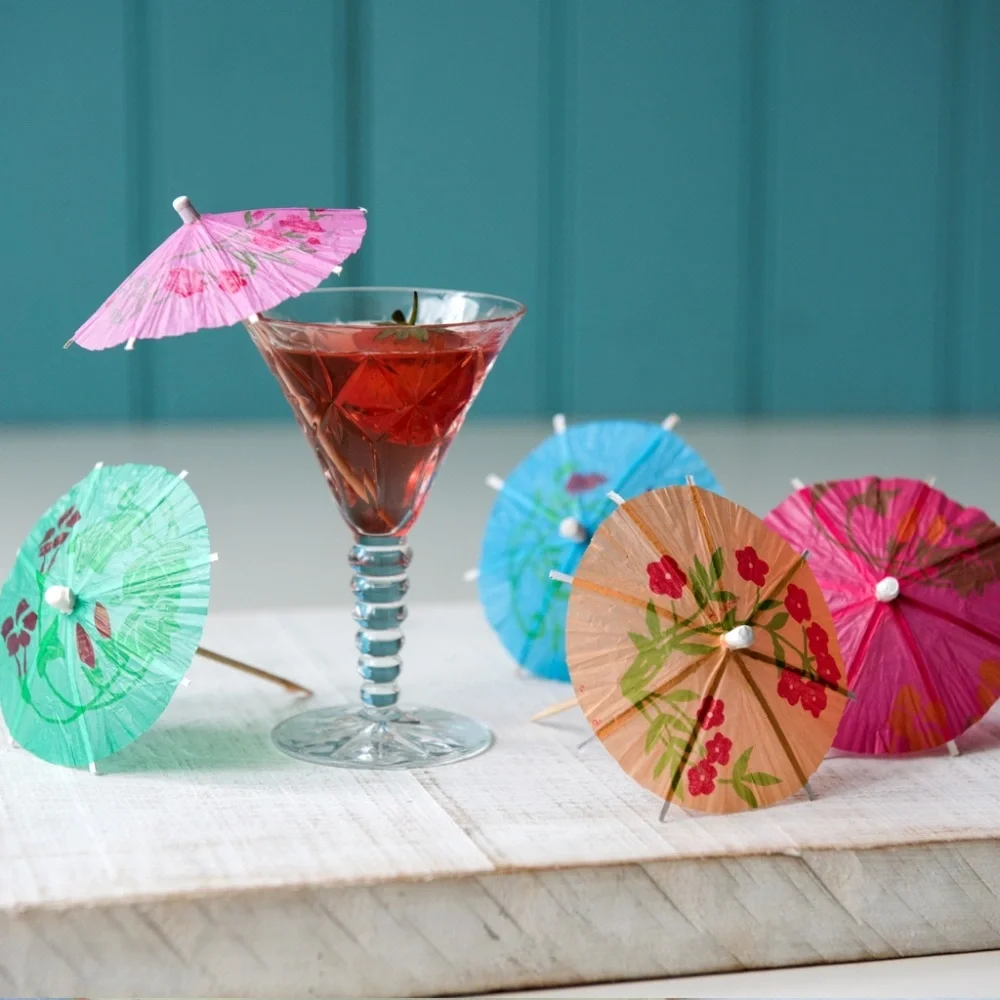
If you weren't drinking alcohol at a bar, you were getting a Shirley Temple with a paper umbrella. The idea of a complex, botanical soft drink had essentially ceased to exist.
The Craft Revival
The early 2000s changed everything. A new generation of bartenders, fascinated by cocktail history, started digging into pre-Prohibition recipes and discovering what had been lost. Bitters were at the centre of that rediscovery — because you couldn't make a proper Old Fashioned, a proper Manhattan, or a proper Champagne Cocktail without them.
New producers emerged. Fee Brothers, The Bitter Truth, Bittermens, and dozens of small-batch makers began reviving lost flavours — celery, grapefruit, chocolate, cardamom — and inventing entirely new ones. The bitters shelf at a serious bar went from two bottles to twenty.
And alongside the craft cocktail revival came a quieter shift: a growing interest in what complex, botanical flavour could do in a drink without alcohol. The same depth, the same interest, the same finish — just without the ABV.
Bitters Today
Today, bitters sit at the intersection of two of the most significant shifts in drink culture: the craft movement's obsession with ingredient quality, and a generation reconsidering their relationship with alcohol.
A few dashes into soda water, a tonic, a shrub, or a juice and suddenly your drink has top notes, base notes, warmth, and something to talk about. Not as a compromise. As a choice.
When we started The Bitter Club, this was the landscape we were walking into — a category with a thousand years of history and a generation finally paying attention again. We make craft bitters designed to be used — in cocktails, in long drinks, in sparkling water, in whatever's in your glass. Because the history of bitters has always been bigger than cocktails. It started as medicine. It defined a category. It survived Prohibition. It outlasted a generation that forgot it.
A few dashes is all it takes.